

Creativity Catalyst
Creativity Catalyst
Creativity Catalyst
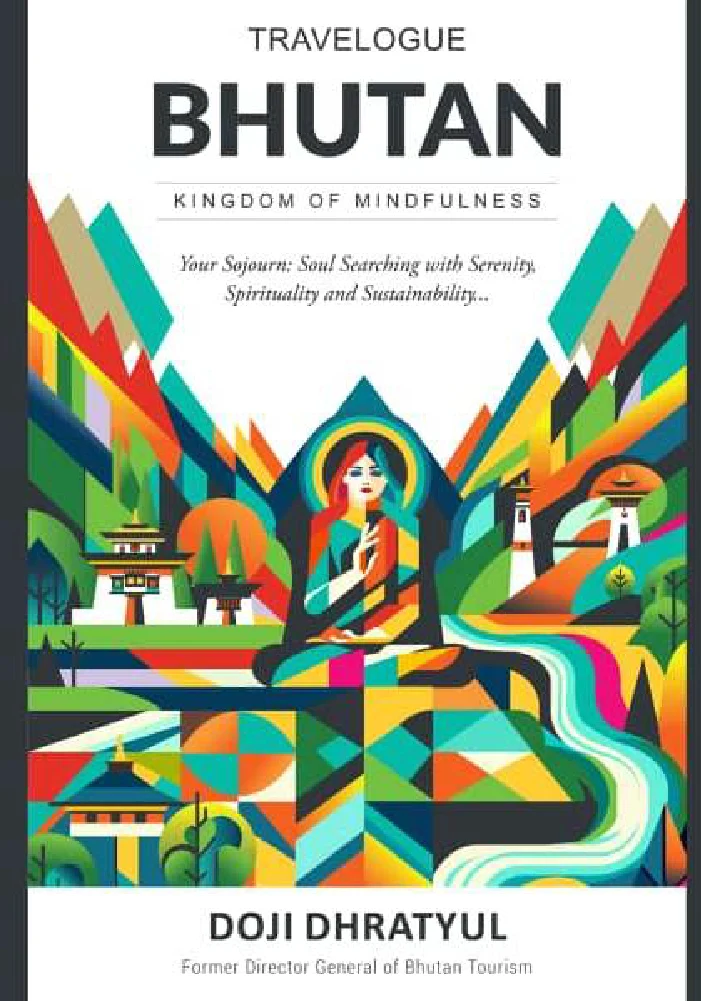
Bhutan, The Kingdom of Mindfulness is a soulful journey through one of the world’s most unique nations. The book blends travel guidance with cultural wisdom…
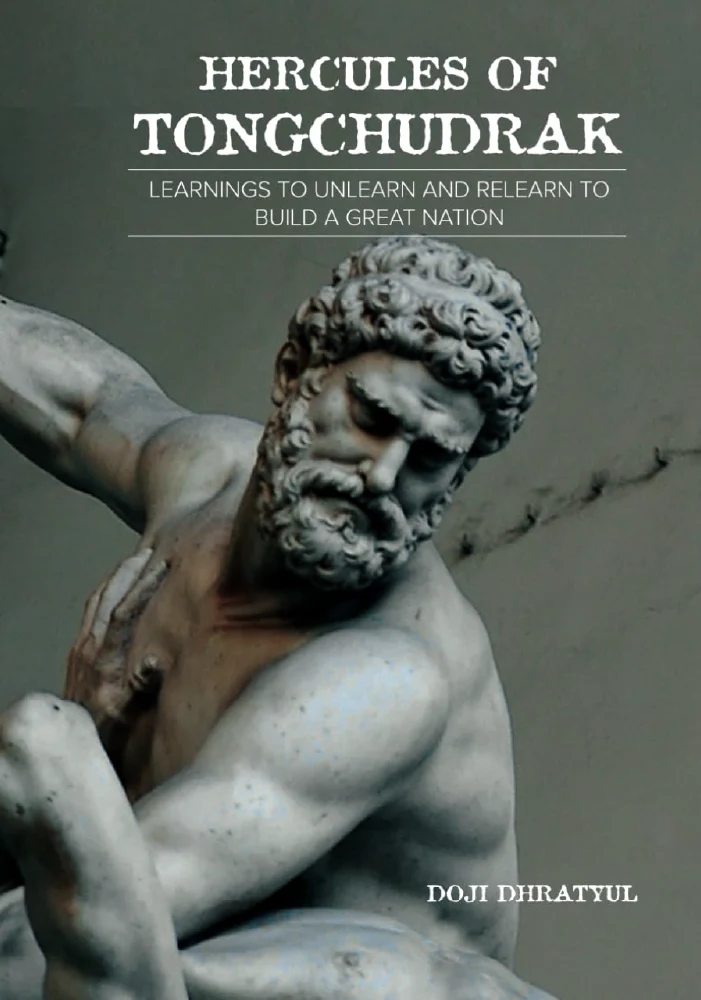
Hercules of Tongchudrak is a powerful and inspiring reflection on Bhutan’s transformative journey as a nation, offering a blend of personal insight, national vision…
Escapades: Awakenings is a bold and evocative Bhutanese novel that traverses four generations of women navigating the tides of change in Bhutanese society…
Critical Competency for the 21st Century and Cosmos” redefines creativity as the most vital skill for personal growth, organizational success…
Kuensel – National News paper. March 15, 2025.
Kuensel. November 23, 2024.
Good Tourism Blog
Druk Journal, Volume 5, Issue 2
Bhutan, The Kingdom of Mindfulness is a soulful journey through one of the world’s most unique nations. The book blends travel guidance with cultural wisdom, spiritual insight, and sustainability principles.
More than a guide, it’s an invitation to experience Bhutan’s essence—from Gross National Happiness and sacred monasteries to vibrant festivals, pristine treks, mindful tourism, and sustainable and regenerative tourism. Rich in detail and beautifully illustrated, it explores Bhutan’s heritage, ecology, cuisine, and latest developments like Gelephu Mindfulness City and Gyalsung.
Perfect for travelers, researchers, and spiritual seekers alike, this book is a heartfelt tribute to Bhutan’s soul—a destination where travel becomes transformation.
Hercules of Tongchudrak is a powerful and inspiring reflection on Bhutan’s transformative journey as a nation, offering a blend of personal insight, national vision, and cultural philosophy. Drawing from a Royal Address and grounded in Bhutanese values such as Gross National Happiness, mindfulness, and spiritual harmony with nature, the book offers a roadmap for nation-building through inner transformation.
Through vivid anecdotes, real-life experiences, and thoughtful dialogues, the author explores the fabric of Bhutanese identity—its “national DNA”—and the character traits necessary to shape a resilient, compassionate, and visionary society. Central to the book is the concept of Ngar—a Bhutanese expression of grit, courage, and steadfast spirit—as the guiding force for individuals in aligning with national aspirations.
The narrative celebrates the Golden Throne’s unwavering leadership and highlights the complex realities of reform in governance, the civil service, and social systems. It casts light on Gasa Dzongkhag as a symbol of Bhutan’s untapped potential, portraying it as a hidden gem with historic and cultural depth.
As the book progresses, it invites readers to reflect on their personal roles in national progress and challenges them to unlearn and relearn with a renewed sense of purpose. The epilogue presents a futuristic vision of Bhutan in 2033—a world leader in conscious travel and mindful living, embodying sustainable development and national integrity.
Praised by global thought leaders like Michael Rutland, Professor Robert Klitgaard, Stephan Sonnenberg, and Dr. Karthik Ramanna, Hercules of Tongchudrak is more than a memoir—it’s a manifesto for anyone seeking to engage deeply with Bhutan’s soul and strive toward excellence in personal and public life.
Escapades: Awakenings is a bold and evocative Bhutanese novel that traverses four generations of women navigating the tides of change in Bhutanese society. Set against the spiritual and cultural tapestry of Bhutan, the novel chronicles the life of Thruebaab—a young village girl from Zhemgang who defies patriarchal odds to rise as the wealthiest individual in Bhutan. Her journey is emblematic of the silent struggles and quiet resilience of countless women who bore the burdens of exploitation, societal stigma, and systemic neglect. Through raw honesty and cultural depth, the book unpacks issues of fatherless children, the dignity of labor, the invisibility of rural women, and the normalization of gendered injustice in earlier times. Interweaving Bhutanese traditions, Buddhist rituals, and a nuanced understanding of Gross National Happiness, Escapades: Awakenings offers a profound reflection on Bhutan’s transformation—from isolated, male-dominated village life to a more egalitarian and constitutional era. With its rich storytelling and unflinching social insight, this novel is a recommended read for anyone seeking a deeper understanding of Bhutan’s complex realities—especially through the lens of its women.

Creativity – a Critical Competency for the 21st Century and Cosmos” redefines creativity as the most vital for personal growth, organizational success, and global progress. Challenging traditional leadership-focused models, the book introduces the Creativist paradigm, arguing that nurturing creativity is the true pathway to impactful leadership and sustainable innovation.
Through practical strategies, inspiring examples, and different framework like Myaellong Morphosis, it shows how creativity enriches daily life, transforms workplaces, and empowers societies. Drawing inspiration from Bhutan’s groundbreaking initiatives—Gelephu Mindfulness City and the Enlightened Entrepreneurial Bureaucracy—this work positions creativity as not just a personal asset, but a universal force for the 21st century and beyond.
Creativity, it asserts, is not a talent. It is a decision—and the critical competency for shaping the future.
The morning mist hung low over Gelephu as 8-year-old Kuenzang walked to school, clutching his books in one hand, and in the other, a small bag of saplings. His teacher had encouraged students to plant trees, calling it their contribution to Bhutan’s future.
As they reached the school gates, Kuenzang’s eyes widened as he saw 13-year-old Myaellong balancing carefully on a ladder, adjusting a solar panel on the school roof with his science teacher’s help. Their student-led renewable energy project was making classrooms sustainable. “We may be just students,” he grinned, “but we’re already building Bhutan’s future.”
Across town, 16-year-old Saifa stood in his family’s rice field, sweat dripping from his brow. He spent nights learning modern irrigation techniques and experimenting with organic farming, determined to help Bhutan feed itself.
In the heart of Gelephu Mindfulness City, 13-year-old Tshedromma weaved between crowded tables at a small café, carefully balancing steaming cups of coffee. To most, she was just a waitress, but she had a dream —to open a zero-waste café that sourced coffee from local farmers. Every night after work, while the city slept, she sat by the dim glow of her phone, taking online business courses, scribbling down ideas, and sketching out her future.
One evening, Joanne, a traveler from England, noticed her determination and asked, “What’s next for you?” With a confident smile and eyes full of dreams, Tshedromma replied, “I’m going to build the best café in the world.”
Meanwhile, 22-year-old Malika stood before a community meeting, passionately speaking about plastic waste. She and her friends had partnered with city authority to replace single-use plastics with biodegradable alternatives. An elder in the audience, nodding approvingly, stood up and said, “You are truly a young builder of Bhutan. People used to call your generation ‘future leaders,’ but you are already leading change.”
Across Bhutan, young builders like Kuenzang, Myaellong, Saifa, Tshedromma, and Malika weren’t waiting for the future. They were already creating it.
Connecting to Nation’s Vision
Bhutan’s ambitious vision of becoming a developed nation in 10 years does not rely only on government policies or big economic projects—it depends on the mindset of every citizen, especially the children and youth. If young Bhutanese believe they are merely future leaders, they might wait for opportunities to come to them. But if they see themselves as builders, they will start acting today—whether by picking betel nuts, picking trash, attending schools, helping with the dishes at home, guarding crops from wild elephants or strengthening their communities.
Let us call our children and youth “YOUNG BUILDERS” of Nation
It is still a common practice, in fact almost a standard practice to refer to children and youth as future leaders, a label that implies that their significance will come only later in life. While this might have been seen as an inspiring phrase in the past, I believe it actually does a disservice and a disrespect to young citizens today. The term subtly suggests that children and youth are currently insignificant in terms of contribution and that their value lies only in their potential. I believe this perspective is outdated and fails to acknowledge the active role young people already play in shaping society.
By contrast, calling them “young builders of the nation” immediately validates their current contributions. It recognizes that they are not just preparing for the future but are already actively shaping the present. Whether they are helping at home, participating in school, engaging in community service, or even setting a positive example for others, their efforts contribute to nation-building in real and meaningful ways.
The Vulnerabilities of “Future Leaders” Label!
The term future leaders can have unintended negative consequences:
Why “Young Builders” is a Better Label?
Conclusion
Changing the way we address young people is not just about words—it’s about transforming our mindset. By calling them “YOUNG BUILDERS” of the nation, we acknowledge their present contributions and inspire them to be active, engaged, and responsible citizens. Instead of waiting passively for leadership roles in the future, they will recognize that their actions today are already shaping the world around them.
This perspective is not only more accurate but also profoundly empowering. It ensures that children and youth grow up knowing they are valuable now, not just in some distant future. When we use language that uplifts and motivates, we reinforce the idea that every child and youth is an essential part of our nation’s progress from this very moment.
And the BONUS is – we will have instantly expanded the number of working population (work force)—because many children and youth who so far believed it was okay to remain passive will now feel inspired to take action. As they join the movement of young builders, they will actively contribute to make a developed Bhutan in next 5 to 10 years.
Kuenzang planting trees, Myaellong working with solar panels, and Malika leading waste management efforts are not waiting for the future to contribute—they are already young builders of Bhutan. The success of Bhutan’s 10-year development goal depends on the collective action of all its people, and by recognizing the role of youth and children today, we ensure that our nation is being built now, not just in the future.
So, let’s stop calling our children and youth future leaders. Let’s start calling them the YOUNG NATION BUILDER—because they already are.
National Anthem (Kuensel, December 7, 2024)
As we all excitedly await the forthcoming 117th National Day, I had the good fortune to come across a heartwarming sight: a life-size standee beautifully adorned with the Royal Portrait and the lines of our National Anthem at the entrance hallway of Motithang Higher Secondary School’s academic building. The standee is flanked by the National flag and the school flag. I could not help but share this exemplary initiative by the school. I believe this mindful initiative will go a long way in preparing the children to be great nation builders. It continuously reminds both children and teachers of the Kingdom’s values and aspirations, fostering a brighter, stronger, and more prosperous future through the collective strength of the people’s love and loyalty to our Monarch.
The National Anthem
Druk Tshenden Koipi Gyelkhap Na
Pel Lug Ni Tensi Chongwai Gyon
Druk Gyelpo Ngadhag Rinpoche
Ku Jurmay Tenching Chhap Sid Phel
Chho Sangye Tenpa Darshing Gyel
Bang Deikyed Nyima Shar War Sho.
In the Kingdom of Druk, where cypresses grow,
Refuge of the glorious monastic and civil traditions,
The King of Druk, precious sovereign.
His being is eternal, his reign prosperous,
The enlightenment teachings thrive and flourish,
May the people shine like the sun of peace and happiness!
The national anthem profoundly reflects the nation’s identity, honoring the natural beauty of the land, the revered sovereign of the institution of the Monarchy and the spiritual heritage, while expressing aspirations for enduring peace and prosperity. Each poetic line is laden with meaning, reflecting the unique Bhutanese worldview that harmonizes tradition with modernity, and spirituality with governance. The national anthem serves as a powerful reminder of what it means to be Bhutanese, encapsulating the essence of the nation’s heart and soul. It deeply reflects the country’s unique blend of spiritual reverence and devotion to its sovereign, each line testifying to Bhutanese pride, culture, and the hopes for a prosperous future.
Although I may never fully capture the profound significance of each letter and word of the national anthem, I would like to humbly attempt a line-by-line commentary.
Druk Tshenden Koipi Gyelkhap Na
In the Kingdom of Druk, where cypresses grow
This opening line immediately evokes a vivid image of Bhutan’s natural beauty. The cypress tree, our National tree, often considered a symbol of longevity and resilience, represents the enduring nature of the Bhutanese kingdom. It sets the stage for understanding Bhutan as a land of timeless beauty and strength, where nature plays a crucial role in the national identity.
Pel Lug Ni Tensi Chongwai Gyon
Refuge of the glorious monastic and civil traditions
Here, the anthem honors the dual role of His Majesty The King. His Majesty is not just a political leader but also a guardian of Bhutan’s rich spiritual heritage. This line underscores the unique governance model of Bhutan, where His Majesty The King is seen as a custodian of both spiritual and worldly matters, reflecting the country’s deep-rooted Buddhist traditions and the integration of spirituality in everyday life.
Druk Gyelpo Ngadhag Rinpoche
The King of Druk, precious sovereign
This line emphasizes the reverence and loyalty that the Bhutanese people hold for His Majesty The King. Addressing His Majesty The King, the “precious sovereign” highlights the value placed on the monarchy as a stabilizing and unifying force. His Majesty The King is not just a ruler but a cherished symbol of the nation’s unity and identity.
Ku Jurmay Tenching Chhap Sid Phel
His being is eternal, his reign prosperous
This line is a prayer for His Majesty The King’s enduring presence and the continued prosperity of Bhutan. It reflects a desire for stability and continuity, essential for the nation’s well-being. The wish for an “unchanging” leader symbolizes a hope for sustained guidance from His Majesty the King.
Chho Sangye Tenpa Darshing Gyel
The enlightenment teachings thrive and flourish
Referring to the Buddha, the “enlightened one,” this line highlights the centrality of Buddhism in Bhutanese life. It is a call for the preservation and flourishing of Buddhist teachings, which are integral to the country’s cultural and spiritual fabric. This line signifies the importance of spiritual growth alongside material prosperity.
Bang Deikyed Nyima Shar War Sho !
May the people shine like the sun of peace and happiness!
The anthem concludes with a universal wish for peace and happiness. The metaphor of the sun shining over all people suggests a future where peace and well-being are pervasive. It encapsulates the Bhutanese aspiration for a harmonious society, aligning with the country’s philosophy of Gross National Happiness, which prioritizes the well-being of its citizens over mere economic growth.
The following is an excerpt from my book, “Hercules of Tongchudrak – Learnings to Unlearn and Relearn to Build a Great Nation,” in which I propose some idea to use the National Anthem to reinforce our nation-building efforts.
“…The “National Anthem” holds significant importance as a solemn song that embodies hope, devotion, and loyalty towards the national identity of a country. In the context of Bhutan, it represents our unity and commitment to the prosperity of the nation, guided by the wise leadership of our beloved Monarch.
I firmly believe that the National Anthem should be viewed as a pledge to serve the Tsawa Sum. While many of us may have learned and sung the National Anthem during our school days, it is common to forget it over time due to a lack of formal occasions to sing it. Therefore, it is essential for those who have forgotten to relearn and be able to sing the anthem by heart. This would enable us to proudly and confidently sing along during formal occasions, including the National Day celebrations in Changlimithang, Thimphu.
Even in situations where the National Anthem is played from a recording, it is important for those in attendance to actively participate by singing along, rather than simply letting the music play. I further propose that efforts should be made to encourage even those who are non-literate to learn the anthem by heart through various means. Making the National Anthem a mandatory part of the non-formal education curriculum would be a meaningful step towards ensuring that all individuals, irrespective of their educational background, are familiar with it.
Additionally, I suggest that reciting the National Anthem by heart should be a prerequisite for job interviews and promotions. By fulfilling this requirement, individuals demonstrate their respect and dedication to our nation, reaffirming their commitment to the values and principles it upholds.
In essence, the National Anthem should be cherished as our collective national song, and it is imperative that every citizen, using all their senses, learns and recites it by heart. Let us unite in our commitment to the Tsawa Sum and proudly sing our National Anthem on every occasion, reaffirming our love for our country and our unwavering loyalty to its progress and prosperity…”Palden Drukpa Gyelo!
Doji Dhratyul, Author & Creativist
“One day, I receive a call from an unfamiliar number. “Hello, is this Dasho Dzongda?”
I responded, “Yes, I am Dorji Dhradhul, Dzongda. May I ask who’s calling?”
“Kuzuzangpola. I am Ms. Dagom, the person who supplied blankets and mattresses to the Bjishong school.” “Oh. Yes, I recall. I trust you have received your payment. I remember signing the cheque a few weeks ago.”
To my astonishment, she responds,“Actually. No Dasho. That’s why I am reaching out to you. I was hoping you could assist me in receiving my payment.”
I was taken aback and perplexed. I distinctly remember signing the check after being reminded by the same person. I concluded the conversation by promising her that the payment would be made by the latest, the next day. Subsequently, I contacted the accountant responsible for this. Unsure of what response I might receive, I questioned,
“Kuchum. Was the payment for the blankets and mattresses supplied to Bjishong school not processed?
I recall signing the check quite some time ago.” To my surprise, Kuchum responded,
“No La. The cheque is still with me la. The supplier hasn’t come to collect it yet.”
Stunned, I thought to myself, “This is ludicrous. Unbelievable.”
On the verge of losing my patience, I firmly communicated to her, “How could you retain the cheque for such a lengthy period? She should have been notified as soon as the cheque was ready. You must remember, we are here to provide services. This implies we shouldn’t wait for our clients to claim these services. We need to be proactive. It’s absolutely acceptable to offer services even if they haven’t been requested. I want you to immediately contact the supplier and arrange the delivery of the cheque. This directive should also be shared with all other account personnel for strict adherence.” I acknowledge that it’s also the client’s responsibility to follow up. Thus, the client too shares part of the blame for not pursuing the matter…” – This is an excerpt from a chapter titled “Delayed Service, Service Denied” in my book, “Hercules of Tongchudrak…Learnings to unlearn and relearn to build a great Nation.”
1.Introduction
Many years ago, as part of a team from the Ministry of Timeliness, we arrived at a meeting venue half an hour early as instructed. However, our meeting started almost four hours late. We waited inefficiently without any updates on when our agenda would begin. In another instance, an organization lost my letter with original receipts and asked me to resubmit them weeks later. Similarly, after waiting weeks for a response to my application, I was told to submit additional documents, which I could have provided much earlier if informed. I experienced numerous times, when I had to send reminders for response to my submission or for appointments.
Such situations of not respecting set schedules, losing documents, and overvaluing the service providers’ time over that of the clients can lead to frustration, unnecessary costs and opportunities lost to the service seekers. While I have no study to back up, I hear that these are some reasons pushing out our aspiring younger lots to other countries. In this article, I try to suggest that we could overcome these issues by becoming more sensitive to the idea that “Time” is precious to everyone. Respecting time as a valuable resource for everyone can make a significant difference in public service delivery.
Timeliness in public service delivery means providing services within a reasonable time frame, without unnecessary delays. It involves responding promptly to the needs and requests of service seekers, processing applications and documents quickly, giving decisions or informing how long it will take for the decisions and delivering services and benefits in a timely manner. Despite its importance, timeliness is often overlooked or taken for granted in our public service delivery. Many times, service providers take their own time in responding the call of service seekers, assuming that the latter have the luxury of time. Unfortunately, the reality could be otherwise, meaning time could be many times more precious to the service seekers. This will be more serious, if the service seeker is an ordinary person from another dzongkhag.
2.What about Timeliness ?
Building Trust and Credibility
Timeliness is crucial for building trust and credibility between the service seekers and the service providers. When public services are delivered on time, it demonstrates that the governance is efficient, responsive, and reliable. Service seekers are more likely to trust and have confidence in a service provider that respects their time and promptly addresses their needs. We have heard of stories how individuals, organizations and even countries are being compared on the promptness of their services. Conversely, delays and inefficiencies can erode public trust and confidence, leading to dissatisfaction and frustration.
Enhancing Public Satisfaction
Timely delivery of public services directly contributes to public satisfaction. Public expect prompt responses and swift resolution of their issues when they approach public service providers. When these expectations are met, it leads to higher levels of satisfaction and positive perceptions of public services. On the other hand, delays can lead to dissatisfaction, complaints, and negative perceptions, which can harm the reputation of public institutions.
Reducing Stress and Inconvenience
Delays in public service delivery can cause significant stress and inconvenience for citizens. For example, delays in processing applications for social services, loans, licenses, various approvals, recommendations can lead to increased social, emotional, health and financial burdens. By delivering services on time, public service providers can alleviate stress and reduce the inconvenience faced by citizens and significantly contribute in alleviating the GNH.
Improving Efficiency and Productivity
Timeliness is also linked to the overall efficiency and productivity of public service delivery. When services are delivered on time, it indicates that processes are well-organized, resources are effectively utilized, and staff are performing their duties efficiently. Timely delivery helps to streamline operations, reduce backlogs, and avoid the accumulation of pending work. This, in turn, enhances the overall productivity of public service institutions.
Promoting Economic Development
Timely public service delivery plays a crucial role in promoting economic development. For instance, timely issuance of business licenses, permits, and approvals can facilitate business operations, attract investments, and stimulate economic growth. Delays in these processes can hinder business activities, discourage investments, and negatively impact the overall economic environment.
3. The Role of Attitude and Mindset
We have made significant advancements in infrastructure, systems, institutions, and technology, comparable to anywhere else in the world. Our policies and strategies are up to date, geared towards improving public service delivery, including the timeliness of services. Key initiatives include:
Despite these advancements, service seekers more often than not remain dissatisfied, suggesting room for improvement. What is the missing link? Could it be one’s attitude and mindset?
Epilogue
Time is precious to everyone. Embracing a culture of punctuality, responsiveness, mindfulness, while discarding habits of complacency, indifference, and procrastination will significantly elevate public service delivery.
A service seeker dearly expects a timely response from a service provider, even if the answer is “NO.” Given the choice, it is far better to receive a “No” immediately than to wait nine weeks in suspense for a “Yes.”
This immediate response demonstrates respect for the service seeker’s time and helps them to move forward without unnecessary delays.
Dorji Dhradhul, Author and Creativist.
Our beloved nation has embarked on a transformative journey led by the Golden Throne, promising to make our country more prosperous and our people happier, while also preparing us to face future challenges. However, we must come together to overcome today’s numerous challenges, no matter how Herculean they may seem. In this article, I propose a change in our ATTITUDE as a possible solution to overcome some challenges confronting our public service delivery.
The Influence of Personal Connections
“Darling, do you know anyone in that Bank? Can you ask your friend Chechey to talk to his DG brother about my request? Please inform your friend in that Ministry about my application. I was asked to come back another time because the head of the department is out of town. Director is not taking any risks, he goes strictly by the book. Your application/letter is lost, please submit it again. He is not responding to my WhatsApp messages. She is not giving me an appointment…” Do these scenarios sound familiar?
Even today, it remains a harsh reality that when we require services from public, corporate, or private organizations, our first instinct is to determine whether we, our spouse, or our friends have a close connection within that organization. If the answer is “yes,” our work can be expedited. If the answer is “no,” delays are likely. This situation, which was prevalent a decade ago, is still common today. In most cases, having a personal connection in the office is crucial for getting things done promptly and efficiently.
The Impact of Reliance on Personal Relationships
Reliance on personal relationships to expedite public services is both widespread and deeply ingrained. While this may benefit some, not everyone has such favorable connections. This dependency makes the system and its services susceptible to manipulation, turning the delivery and receipt of services into favors rather than formal procedures. Under these circumstances, those without connections face an arduous journey to get their work done.
We often view our core responsibility of public service as merely a by-product of the job that pays our monthly salary, behaving as if providing these services is a significant favor rather than our duty. I would like to believe that by simply changing this attitude, there could be a significant improvement in public service delivery. The necessary systems, structures, and institutions have been established for over a decade.
Personal Responsibility and Ethical Conduct
Regardless of how perfect the structures and systems may be, it is ultimately up to individuals to uphold these values. The responsibility to take action lies with each individual. While having great systems, structures, and institutions is beneficial, personal responsibility is the key factor in ensuring their effectiveness.
Let me illustrate with an example. Imagine I’m having coffee and I receive a call from Ms. ABC, who I know. Knowing her importance and potential influence on my present and future opportunities both personal and career-wise, I immediately answer the call. Even when asked if I’m busy, I assure her that I am totally available for her. Now, imagine the call is from Ms. MNO, someone I perceive as unimportant and who I assume will be of no use at all to me. I decide not to answer, using the excuse that I’m having my coffee. It can be the same in a physical situation, meaning if Ms. ABC walks into my office, no matter what I am doing, I am there for her, and similarly, if Ms. MNO walks in, I can be quite unkind not only to her but also to my PA for letting her in. Therefore, for someone like Ms. MNO, in the first place, it would be so daunting for her to even reach my office.
The difference in my responses to these calls and habits highlights how one’s attitude shape our actions. I believe that many of the service delivery challenges in our system stem from these differences in attitude. For instance, civil servants have taken an oath to provide services and perform their duties without fear or favor. There is even a comprehensive chapter on the Code of Ethics and Conduct for civil servants in the BCSR. The question, however, is whether our daily actions are influenced by these codes. If not, we need to adjust our attitude. We must commit to serving everyone equally, efficiently, and effectively.
Examples Illustrating the Issue
Let me share two examples to illustrate this point. About a decade ago, I needed to obtain an official document. By making a few calls to the right individuals and presenting myself in person, I was able to complete the process in about two hours. Under normal circumstances, this would have taken at least a week.
In another instance, I got another document for a relative in record time with the assistance of a junior civil servant who wasn’t even part of the issuing department. These cases demonstrate that the systems and infrastructure to process such documents efficiently were already in place a decade ago. They also underscore the importance of personal connections in expediting work. It highlights that knowing someone within the system can significantly impact the speed and efficiency of service delivery.
The Role of Attitude in Service Delivery
Systems and infrastructure have been in place for decades to facilitate world-standard timeliness. It is individuals’ attitudes that make the system bureaucratic. Unless there is something in it for oneself, one tends to go by the book, suffocating the system and making bureaucracy a hurdle in service delivery. Aligning one’s attitude and mindset towards the sisterhood of all and viewing everyone as one big family could transform public service from good to great. We need to be more flexible, willing to take risks, creative and, if necessary, consider bending (not breaking) rules to enhance service delivery.
Civil Service and Nation Building
I believe civil service is the core of public service delivery. It is an elite group crucial to nation-building in Bhutan. The pace and quality of Bhutan’s socio-economic development could depend significantly on civil servants’ participation. Civil service is about serving the people, the country, and The King with utmost humility, accountability, and responsibility.
“… Throughout my reign, I will never rule you like a King. I will protect you as a parent, care for you as a brother, and serve you as a son. I shall give you everything and keep nothing; I shall live such a life as a good human being that you may find it worthy to serve as an example for your children; I have no personal goals other than to fulfill your hopes and aspirations. I shall always serve you, day and night, in the spirit of kindness, justice, and equality.” – His Majesty The King, Coronation address to the Nation on November 7, 2007.
The new generation of civil servants in Transforming Bhutan should embody responsiveness, flexibility, and dedication, prioritizing service delivery with the same spirit of kindness, justice, and equality exemplified by our King in the above Royal Quote.
Conclusion
With the right attitude, mindset and outlook, we have a golden opportunity to elevate the quality of its public service delivery. The necessary systems, structures, and policies have been in place for over a decade. There may not be even need for additional human or other resources; rather, it is the attitude of the public service providers—including civil, corporate, and private sectors—that need realignment.
And if it is of any consolation, this situation is not unique to Bhutan. Former Indian President Pranab Mukherjee once stated, “Bureaucracy is the biggest hurdle to our development, and we must rectify it… referred to the civil services as the one that find ways on how to put obstructions, how to find out excuses and not to move.”
Disclaimer: These views are entirely my own, based on my personal and professional experiences, and inspired by the BBS TV talk show my book – “Hercules of Tongchudrak…Learning to Unlearn and Relearn to build a Great Nation.”
Women’s Health
Historically, women’s health has been significantly sidelined, with various aspects of it being under-researched and underfunded. Despite women making up half of the global population, their specific health needs have often been overlooked in medical research and healthcare delivery. This neglect has led to substantial gaps in care, particularly in areas like preconception care and menopause.
Preconception care refers to the health of women (and men) during their reproductive years, before and between pregnancies, and it is crucial for leading to healthier pregnancies, babies, and mothers. However, it has not been a significant focus in healthcare. Nearly 45% of pregnancies worldwide are unplanned, leading to a higher risk of preterm births and maternal complications. Additionally, many women/couples are unaware of the importance of preconception care and the steps they should take to prepare for a healthy pregnancy.
Menopause is a natural biological process that marks the end of a woman’s menstrual cycles, yet it has not received the attention it deserves. Approximately 1.2 billion women worldwide are expected to be postmenopausal by 2030. About 75% of women experience hot flashes, night sweats, and other menopausal symptoms, which can severely affect their quality of life. In the United States alone, menopause-related productivity losses cost businesses an estimated USD$150 billion annually.
Economic Impact of Sidelining Women’s Health
The neglect of women’s health issues has profound economic implications. Conditions such as menstrual disorders, endometriosis, and menopause can lead to significant productivity losses. For instance, endometriosis alone is estimated to cost the global economy USD 78 billion annually in lost productivity and healthcare costs. Women’s health issues also result in higher healthcare expenses due to delayed diagnosis and treatment. For example, the annual cost of treating ovarian cancer is significantly higher than that of other cancers because it is often diagnosed at a later stage. Additionally, health issues can lead to decreased workforce participation among women, impacting their economic stability and the overall economy.
Women’s Healthcare in Bhutan
Blessed with Article 9, Section 21 of the Constitution of the Kingdom of Bhutan, which mandates the state to provide free basic public healthcare both in traditional and modern medicines, Bhutan has made significant strides in improving the health and wellbeing of women through various services, support systems, and programs. Overall, Bhutanese women’s healthcare and support system shows commendable progress and aligns well with global standards in many areas, often exceeding the global average in maternal health indicators and contraceptive prevalence.(see Table 1). Bhutan is also well on track with the SDGs related to health and wellbeing (Goal 3) and gender equality (Goal 5).
However, like many countries, there is huge room for improvement. Continued initiatives, investments and innovations are needed to further improve the health and wellbeing of women in Bhutan. And Femtech is one such initiative.
Table 1: Comparison of the healthcare and support systems for women in Bhutan with the global averages.
Category | Global Average | Bhutan | 2023 |
Maternal Mortality Rate | 211 deaths per 100,000 live births (2017) | 89 deaths per 100,000 live births (2017) | 53
|
Skilled Birth Attendance | 81% of births attended by skilled health personnel | 95% of births attended by skilled health personnel | 98
|
Antenatal Care | 86% of pregnant women receive at least one visit, 65% receive four or more visits | Over 90% of pregnant women receive at least four antenatal care visits | 98.5%
|
Contraceptive Prevalence | 64% contraceptive prevalence rate for women aged 15-49 | 66% contraceptive prevalence rate for women aged 15-49 | 74.2%
|
Adolescent Health and Education | Lacking in many countries, leading to higher rates of adolescent pregnancies and STIs | Implemented in schools, improving knowledge and attitudes among adolescents | NA |
Health Infrastructure | Only 57% of the population in low-income countries has access to basic health services | Robust network of Basic Health Units and District Hospitals, ensuring widespread access | NA |
Community Health Workers (CHWs) | Deployment varies globally, effectiveness and reach differ by country | Crucial in extending health services to remote areas, reflecting a well-implemented strategy | NA |
National Health Policy | National policies vary in focus and effectiveness | Emphasizes universal health coverage and reducing health inequalities, aligning with best practices | NA |
Advent of Femtech
The term “Femtech,” short for female technology, was coined in 2016 by Danish entrepreneur Ida Tin, co-founder of the menstrual health app, Clue. It describes the intersection of women’s health and technology. Femtech encompasses a range of products and services designed to improve women’s health through technological innovations. These include period-tracking apps, fertility solutions, pregnancy and nursing care, women’s sexual wellness products, reproductive system healthcare, diagnostics, and specialized software.
covering a broad spectrum of categories including preconception, menstrual health, sexual health and wellbeing, menopause, fertility, supplements, diagnostic tests and screenings, medical devices, research, and more.
The Promise of Femtech
Femtech is today looked up to as a revolution in women’s health and wellbeing. The future of femtech is bright, with endless possibilities. Femtech aims to address the existing disparities by leveraging technology to improve women’s health. Here are some key areas where femtech is making a significant impact:
Menstrual Health
Innovations in menstrual health include apps that track menstrual cycles, providing valuable data for both women and healthcare providers. Products like menstrual cups and period-proof underwear offer sustainable alternatives to traditional menstrual products. These advancements not only improve women’s health but also promote environmental sustainability.
Reproductive Health
Femtech solutions in reproductive health range from fertility tracking apps to at-home fertility tests. These tools empower women with knowledge about their reproductive health, enabling them to make informed decisions about family planning. Companies like Modern Fertility offer affordable and accessible hormone testing, providing insights that were previously only available through expensive and invasive procedures.
Maternal Health
Maternal health is another critical area where Femtech is making strides. Telehealth platforms provide pregnant women with remote access to healthcare providers, ensuring they receive timely care regardless of their location. Wearable devices monitor vital signs and fetal health, alerting women and their doctors to potential issues before they become serious.
Menopause Management
Femtech companies are developing products and services to help women manage menopausal symptoms. From hormone replacement therapy (HRT) delivered through personalized treatments to apps that track and provide advice on managing symptoms, these innovations offer much-needed support to women navigating menopause.
Sexual Health
Sexual health is an often overlooked aspect of women’s health. femtech is breaking down taboos and providing solutions for issues like sexual dysfunction and sexually transmitted infections (STIs). Products like vibrators and lubricants designed with women’s health in mind are gaining acceptance, and apps offering STI testing and treatment are making sexual health care more accessible.
Mental Health
Mental health is intricately linked to physical health, and femtech is addressing this by providing mental health support tailored to women’s needs. Apps offering therapy, meditation, and stress management techniques help women manage their mental health, which is crucial for overall wellbeing.
FemTech Association Asia
Founded by Lindsay Davis, FemTech Association Asia is the region’s first and largest specialist advisory and industry network for femtech founders, professionals, and investors, united by a core focus on improving women’s health through technology solutions. The organization aims to drive collaboration to accelerate the creation of more healthcare solutions
for more women, serving as the gateway to the femtech industry in Asia. Its vision is accessible, available, and affordable women’s healthcare for all women across the region. Key services provided by FemTech Association Asia include advisory, community-building, thought leadership, amplification, and programming, all designed to support and promote the femtech industry in the region.
Including Bhutan, FemTech Association Asia is now in ten countries in Asia, Hong Kong, Indonesia, Japan, Malaysia, the Philippines, Singapore, South Korea, Thailand, and Vietnam.
The Role of the Brand Ambassador
The Brand Ambassador represents the FemTech Association Asia in Bhutan, creating awareness for the organization’s products, services, and values, and expanding the FemTech Association Asia network. I am dedicated to advancing this cause and helping women in our community to have access to innovative, culturally-relevant, and holistic health solutions. By fostering collaboration, breaking down stigmas, and leveraging technology, we can make substantial progress in improving women’s health and wellbeing.
I am committed to collaborating with local stakeholders, including the government, UN organizations, international and regional bodies, civil society organizations, individuals, and communities. Together, we aim to bring accessible, culturally relevant femtech solutions that comprehensively address women’s health needs. Our collective efforts will further enhance the quality of life and wellbeing for women in Bhutan, aligning with the nation’s values and aspirations for holistic health and Gross National Happiness (GNH).
Together, we can build a future where women’s health is prioritized, understood, and celebrated.
Doji Dhratyul, Author & Creativist. Brand Ambassador, FemTech
References:
If I may say, one of the effects of the so-called “modern development” in Bhutan, which started in the early sixties is the introduction of waste, which is today, unfortunately, becoming an infamous cause for eyesores and heartaches everywhere. More worryingly, the growing waste has already manifested it’s ill effects on human, animal and environmental health, economic development, and Brand Bhutan.
It is a known fact that high-end travelers prefer their destination to be free of waste and that they have an above-average appreciation for things that increase their wellbeing and wellness. On top of this the COVID-19 pandemic has shown all of us how important one’s health and wellbeing is.
Bhutan still enjoys the coveted reputation of having our nature and environment in a pristine state with more than 70% of our area under forest cover and making Bhutan the only carbon-negative country in the world. Bhutan has the highest unclimbed mountain in the world and most probably Bhutan’s Constitution is the only one that mandates at least 60% of the country to be under forest cover at all times. These are all direct results of the farsighted policies of our extraordinary Monarchs.
In the early sixties, our country was introduced to the outside world as a Shangri-la. In layman language, Shangri-la means a “paradise on earth”, where even heavenly Gods and Goddesses visit.
I believe, wholesome cleanliness is an important element of a Shangri-la – a clean mind, a clean body, and clean physical surroundings. Without any doubt, our country then should have enjoyed a zero-waste status, thereby fulfilling the condition of clean physical surroundings.
However since those days, I am afraid, the Shangri-la status started to dwindle in direct proportion to the increase of wastes from plastic packaged foods and other goods. Today the country is getting scattered with waste everywhere, not even sparing the sacred highlands, the secret high passes, and the deep forests.
“…Where we live must be clean, safe, organized, and beautiful, for national integrity, national pride, and for our bright future – this too is Nation Building.” – His Majesty The King, First Royal Bhutan Flower Exhibition in Paro, April 2015.
Guided by the Royal vision, keeping our country clean has become a new national goal. Subsequently, programs have been rolled out. Starting from 2016, the 9th of every month is observed as a mass cleaning day, where everyone is expected to participate in cleaning activities. Agencies and individuals at all levels (national, dzongkhag, and gewog) are designated to coordinate and monitor the monthly and other cleaning programs.
In 2019, coinciding with the Coronation of His Majesty The Fourth Druk Gyalpo on 2nd June, Her Majesty The Gyaltsuen launched the Zero Waste Hour. Led by the National Environment Commission Secretariat (NECS), the Zero Waste Hour obliges everyone to observe at least one hour on the second day of every month towards achieving the Zero Waste Society by 2030. During this one hour, all offices, institutions, and infact every citizen shall clean their own surrounding areas to create a waste-free environment and inculcate civic responsibility of managing our own waste.
More recently, the management of waste together with the management of free-roaming dogs has become a national flagship program. Already, many are talking about waste, and many have already started fighting this menace. However, going forward much more needs to be done and many more needs to join this national mission. It is a must that every single Bhutanese participates, owns, and acts to achieve this national goal of making ourselves a Zero Waste Society by 2030. And with that achieved, possibly distinguishing our country as the cleanest in the world.
However, the challenges are real and in abundance. The most daunting being the widespread belief and deeply ingrained attitude that it is okay to litter as long as it is not in my own house, my own yard, or my own car. Anywhere else, is neither my responsibility nor my concern. That’s why we see even trash coming from balconies and moving cars, ending up on the streets, in streams and rivers, on highways and on trails, and pretty much everywhere.
I suspect this is so because the “act of minding one’s waste” was not a major part of our cultural value in the previous century. I don’t remember even in my school days in the 70s and 80s of being told anything specific on this value nor in my own home. I believe the reason for this is not because Bhutanese in the past had the good habit of taking care of waste, but rather waste was not a problem those days. Most items were used, re-used or repurposed. Most waste was probably organic and easily given back and received by Mother Earth. So the value of “collecting waste and cleaning surroundings” is not in our original DNA, it is something we have to learn thus making it difficult to start with.
But the good news is we can introduce a new gene in our DNA, “Cleanliness”. It can be learned as shown by, for example – Singaporeans. Today Singapore’s public places are almost waste-free, simply for the reason that today all Singaporean have now ingrained in their DNA this gene (value) to mind cleanliness at all times, everywhere, and by everyone. And it is no secret that even Singapore too had to combat a similar waste problem and it is ofcourse a great feat that they conquered it in just about thirty years.
While everyone’s participation is highly desirable, we need more champions like Clean Bhutan, Greener Way, Waste Handlers of Bhutan, National Environment Commission, Thromdes, Tourism Council of Bhutan, individuals like Gembo, Nidup Tshering, Garab Dorji and many (read as few) more. Maybe it would be even more effective if the following groups could be formally or informally engaged to be the Champions of our ZERO WASTE SOCIETY. They could take up the responsibility of advocacy, action, and monitoring (read as policing) of the program. They can even lead by example in their own homes, work, and public spaces. And since any rule without proper enforcement seems more easily broken, maybe some of these groups could also be authorized to impose penalties on the defaulters. They could help lead the way and introduce Bhutan to the Cleanliness Gene.
These special groups are, viz. Dratshang and private religious institutions (20,000), educational institutes and students (1,50,000), 3 armed forces (15,000), Desuups (17,000), civil servants (30,000), employees of corporations and CSOs (10,000), tourist guides (3,000), taxi, bus, and truck drivers (15,000).
For tourism, our status as the last Shangri-la is one of our biggest assets; one which we need to protect. Today, unmanaged waste is already posing a serious threat to our Shangri-la status. If we do not act now, I am afraid, it will be not too distant future that, it will end up in the trash too and the world will have no more Shangri-la. We have to avoid this catastrophe not only for Bhutan but also for the world.
Let me conclude by sharing my views on managing waste on trails, as more and more trails are littered with trash or have become dumpsites. While dustbins and pits are commonly used to collect waste on trails, my experience thus far does not support these, for a number of reasons. The main being the need for someone to empty them diligently, which is highly impractical in far-flung trails. It should however work well in cases where there is high volume traffic, such as parks, gardens, and streets with dedicated personnel to empty them as and when required.
As trail-builders around the world have found, placing bins in more remote areas can actually be a detriment to the trail for the following reasons:
1.If there is no ongoing, regular stewardship and cleaning, these bins fill to overflowing.
2.Once there is a waste on the trail, and around the bins, it provides a license to others to contribute to the problem.
3.The bins themselves often detract from natural beauty.
4.Waste in bins or on the trail attracts scavenging animals and can harm or kill birds and other small animals if ingested or tangled.
So, even on trails, maybe the most effective way to keep waste off the trail in the long-term is to build a culture of personal stewardship with a basic philosophy: “Carry in. Carry out.” If one is able to bring it, one must be able to carry it out and dispose of it or recycle it. The other option is to pack one’s own healthy food in reusable containers and use a refillable water bottle.
Personal responsibility in thought and action amongst all Bhutanese, to take care of one’s waste, is most likely the most important contributor to the achievement of the national goal of becoming a Zero Waste Society by 2030.
Wishing everyone a Clean Space, a Clean Place, after all “Cleanliness is next to Godliness”.
Tashi Delek!
Dori Dhratyul, Author & Creativist
We have a marvelous metaphor to gauge the wisdom and pricelessness of a King’s speech. Every word spoken by a King is compared to a golden nugget, thus signifying its “preciousness and rareness.” Royal words are also considered to be heavier than mountains indicating their “immeasurable depth of wisdom and far-sightedness”. This metaphor is aptly summed up in a popular Bhutanese saying roughly translated as, “It is more daunting to carry out the Royal command than to carry a mountain, and more precious than gold to be ignored or put aside.”
“…If in the next 10 to 15 years, we achieve all our national objectives, the credit will go to our public servants. However, if we fail, it will mean that the public servants have failed…”- His Majesty Jigme Khesar Namgyel Wangchuck. The Royal Address, 111th National Day, Samtse December 17, 2018. The Kingdom of Bhutan.
An invigorating inspiration, a captivating challenge, and a magnetic mission for civil servants to achieve within the next decade is ingrained in the above Royal words. These Royal words also bestow a high honor to which civil servants could aspire.
With this paper, I attempt to define or redefine the meaning of a “civil servant” by answering the basic question – “Who is or who is not a Civil Servant?”
The dictionary definitions of these two words “civil” and “servant” resonate positive values such as; courteous, polite, secular, humility, ethics, volunteer, discipline, ladylike, gentlemanly, kind, fair, the leadership of self, risk taker, innovator, and so on. When put together, the term “civil service” should thunder with even more positive values and morals. And rightfully so, civil service remains the number one job choice for the new graduates in Bhutan. Selection of civil servants is extremely competitive and only the highest achievers are successful. In 2016, a total of 4,027 graduates registered online, of which 3,536 appeared in the preliminary examination. Of those 2,659 graduates who qualified, 2,487 appeared to take the main examination, out of which only 480 graduates were selected as civil servants.
To be a civil servant is a peerless privilege, an intellectual invigoration and a high honor. In reciprocity, a civil servant’s key purpose should be to serve the people, the country and The King, unconditionally. I would propose that much like monks commit their lives for the spiritual well being of all sentient beings, and the armed services pledge to safeguard the security of the Nation, a civil servant’s commitment is towards securing the socio-economic well being of their fellow citizens.
Philip Yeo is one of Singapore’s most accomplished government officials, credited as one of the key players in making what Singapore is today. Yeo is considered a top civil servant and a role model but he is also well known as a maverick that has blazed new paths in a manner more akin to an entrepreneur than a civil servant (defiled image of a civil servant), breaking rules, defying conventions and stepping on more than a few toes along the way.
Phillip Yeo says, “…civil servants should stop worrying about their careers & start getting sh*t done…”. I would go even one step further and add that civil servants should also stop worrying about their “retirement”. While career, asset building, and retirement are important for everyone, it is not within the terms of reference of an ideal civil servant. The 21st-century civil service should be more than a salary-paying job. It should be about volunteerism and sacrifices in the service of the Tsawa Sum.
Paradoxically, today it appears to be more of a norm, rather than an exception, that civil servants are labeled just the opposite of what they should ideally be. Even, Philip Yeo is supposed to have said, “Don’t call me a civil servant. I consider that an insult.”
The recent comments and complaints in the Bhutanese media and gossip on the street, depict a perception and image of civil servants that seems to have made a 180-degree turn. Today, bureaucracy is notoriously labeled as lazy, complacent inefficient, inflexible, inconsiderate, risk averse, impolite, unapproachable, non-responsive, self-serving, overly bureaucratic, and so on.
Following the Royal command issued to the Royal Civil Service Commission (RCSC) in 2007, numerous reforms have been instituted. Some positive impacts have already been felt and observed at all levels across the country. At the national level, the RCSC has rolled out reforms in five key areas in pursuance to the vision of “making Bhutanese civil service great” and “excellence in service”. The reforms are, viz: 1. Bhutan Civil Service System; 2. Organizational Development (OD) Exercise; 3. Great Leadership, Succession Planning, and Leadership Development; 4. Managing for Excellence; and, 5. Civil Service Well-being. As these reforms may suggest, we still have a long way to go.
I would like to share my experiences both as a service provider (civil servant) and as a client of civil service. I am lucky that I have come across many great civil servants throughout my lifetime. That said, I have also crossed paths with many civil servants who “need improvement” – and I consider myself as one of them. The inspiration for my definition of a “great” civil servant stems directly from The Golden Throne and is as follows:
“… it is the bureaucracy’s example that will be followed, strengthening the civil service would be the first step to creating a strong foundation for a successful democracy. The civil service must strive for the highest standards, live by higher ideals and nurture a sense of duty towards fellow Bhutanese…” – The Royal Command to RCSC, 2007.
At the 12th convocation of the Royal University of Bhutan, in 2017, His Majesty outlined five extraordinary qualities by which all Bhutanese should navigate the 21st century. These qualities are, viz.-Sincerity, Mindfulness, Astuteness, Resilience, and Timelessness; together they are crisply acronymed “SMART”. SMART qualities feature as one of the policies guiding the civil service values and conduct of the 2018 Bhutan Civil Service Rules (BCSR) and I believe civil servants by default are its designated champions. Therefore SMART should be at the core of the civil servants’ value system.
I humbly believe that The Golden Throne succinctly outlined the key ingredients for a “role model civil servant” in His Majesty’s November 7th, 2007 Coronation Address:
“… Throughout my reign, I will never rule you like a King. I will protect you as a parent, care for you as a brother and serve you as a son. I shall give you everything and keep nothing; I shall live such a life as a good human being that you may find it worthy to serve as an example for your children; I have no personal goals other than to fulfill your hopes and aspirations. I shall always serve you, day and night, in the spirit of kindness, justice, and equality.”
Taking inspirations from the above Royal visions, I would like to define a great civil servant “as someone that has the highest ideals and highest morals characterized by selflessness in the service of the fellow citizens.” This definition places more stress on the human factor than systems and structures. Jim Collins, the author of the best seller book “Good to Great” believes, “Greatness is primarily not a function of circumstances, it is first and foremost a matter of conscious choice and discipline.”
No matter how perfect the structures and systems might be, the onus lies on an individual civil servant to uphold these values; and it is an individual who has to make the decision to take action. I do agree that it would be helpful to have great systems, structures, and institutions yet it comes down to the individual and their personal responsibility.
While it is difficult to pinpoint the reasons for the deficiencies that are supposedly defiling the civil service, I would like to discuss individual “attitude and mind-set” as one of the main possible causes.
“Job security” is commonly stated as the key reason new graduates choose civil service as their top choice. Unfortunately, once on the payroll of the civil service, we tend to take our employment for granted and feel too secure. Slowly, such a blatant sense of security degenerates into a state of complacency, which I argue is the biggest challenge in our civil service today. While measures are put in place by RCSC to differentiate the performers and non-performers, the system is yet to fully mature. A system of reward and punishment based on the level and quality of performance is yet to be effective. Therefore, many still believe that whether one burns the midnight oil on duty or simply basks in the sun, one will still receive remuneration at the end of each month and many times even be gifted with promotion. Recurrence of such indifferent treatment can lead to the perpetuation of complacency and indifference. We tend to take our core responsibility of public service as a by-product of the job that pays our monthly salary, all the while believing and acting as if we are doing a big favor by providing the very services we are supposed to offer. We think and act as if we have a vested right to be bureaucratic at the cost of choking the public service delivery system.
I have had many experiences, both as a victim and as a beneficiary, of a biased, conditional and unfriendly bureaucracy. I used to and still (though consciously trying not to) tend to look for someone I know or someone who knows someone influential in an agency from where I have to avail a service. Here I am referring to works that are not even personal or private but authentically “official”. I must confess that in doing so, I am actually encouraging “uncivil” practices. This practice has become the simple choice between getting my work done on time with the help of someone influential, or following the normal bureaucratic procedures and becoming frustrated with the delay. Sadly, such situations convert an otherwise very efficient person into a useless one, simply due to the inefficiency of someone else’s actions. If this is the state of affairs for a senior bureaucrat, one can imagine how hopeless the situation would be for a commoner who knows no one in that particular space.
But let’s not despair, there is surely a light at the end of the tunnel. Service delivery can be enhanced one hundred fold, and it should. The required systems, structures and institutions to get services delivered effectively and efficiently do exist and are in place. It’s the individuals managing and manipulating these structures and institutions who are strangling the very system. Let me share two examples to prove this point, one quite recent and another which occurred some years ago. In the first instance, I was able to renew my official documents in just about two hours after making a few calls to the right individuals and then presenting myself in person. In the second instance, I was able to acquire the very same document for a relative, also in record time, but with the help of a fairly junior civil servant. He was not even working in the department that issued the documents but none-the-less he did it, something which I could not have done on my own. This implies that it matters who you know to get your work done and the vice versa is true more often than not. I seriously doubt if this particular service could have been accomplished any faster, anywhere in the world. Those days, this task would take at least a few days if you happen to know someone and, if not, at least a week.
I vividly remember in the past how I always had to seek favors of some known persons to get this particular document released or renewed on time. On several occasions, I had to stoop out of my way to please a person simply to have them provide the necessary service(s) that he/she was supposed to deliver; leaving me reduced to nothing less than “begging” in order to receive equal treatment.
The recent example was with a state-owned enterprise, one that popularly claimed to be far better in terms of its work culture (corporate culture) than the civil service work culture. Surprisingly, this does not always seem to be the case. The incumbent service provider was very rude, arrogant, authoritarian and could not have been bothered to assist me, yet he instantly changed his conduct the moment I told him that I was a dzongda. At this point he told me to return after lunch, just a few hours later, to collect the letter which I am certain would have otherwise taken at least another day, or more, to complete.
Regrettably, before going to this office, I checked with my wife if she personally knew anyone in that office. This unhealthy practice of public service delivery based on the “doing a favor” model, influenced by the degree of acquaintance and the status of the service seeker, is so widespread and deeply ingrained that even those at a very senior level (secretary and minister) tend to look for acquaintances.
These two scenarios clearly indicate that we already have the necessary structures and systems in place to enable civil servants with the ability to deliver public services in a world-class manner but if, and only if, those managing the system determine to protect and promote the integrity and efficiency of their position. It is the individuals who make the system bureaucratic and, unless there is something in it for oneself, one tends to go by the book thus suffocating the system and making bureaucracy the biggest hurdle in service delivery. Former Indian President Pranab Mukherjee has also said in IIM, Ahmedabad, November 17, 2018, “…Bureaucracy is the biggest hurdle of our development, and we must rectify it…”
I believe those of us in senior positions could lead this change. Small changes to the approach and conduct of business by those in decision-making positions could bring about a huge impact. To start with, we just need to be a little more flexible; more willing to take risks; and, if necessary, even consider bending (not breaking) rules in the interest of enhancing service delivery.
We are talking about the advent of a paradigm shift in attitudes and mindsets. Lead by example. I believe we need to think hard on what we have voluntarily agreed to do by entering into the civil service. As a civil servant, we are nothing short of a volunteer or a social worker. As a “civil servant” one is expected to serve fellow citizens. As long as one is a civil servant, morally and ethically, one cannot and should not engage in anything that is for personal material gain. This means one cannot engage in any sort of private business. This is for an obvious reason, that once engaged in private or personal work one cannot give 100 percent of your mandated professional work. Consequently, time, energy, and even the public resources otherwise dedicated to professional work would be shared, thus compromising on one’s actual mandate.
Finally, if I am to advise the young civil servants and the fresh graduates wanting to join the civil service, I would tell them to be ready to embrace the “qualities of the 21st century civil servants” and ensure that they are doing so with the “necessary attitudes and attributes to achieve all the national objectives in the next 10 to 15 years,” as highlighted in the Royal Address at the 111th National Day Celebration.
Civil service was, is, and will always be an elite group as far as Nation Building in Bhutan is concerned. The pace and quality of Bhutan’s socio-economic development will greatly depend on the quality of the civil servants’ participation. To a large extent, at any point in time the image of the Nation would also depend significantly on the commitment of the civil servants. Civil service is all about serving the people, the country and The King with utmost humility, accountability, and responsibility. Therefore, the new generation of civil servants, as well as those reformed civil servants, should be responsive, flexible, concerned, selfless and mindful; as well as team players in mind, speech, and actions.
Civil service is not a job for personal and private gain. Time spent on personal work would be time stolen from public service. A civil servant is like a coach of a sporting team, one who does not play the game but teaches the team to play well. If one’s interest is highly skewed towards personal gratification and self -advancement, civil service may not be the right job. Instead, choose the private sector. Civil service is employment beyond a mere salary; however, I believe when most civil servants truly believe and do what an ideal civil servant is supposed to do, that the State should take care of their welfare including ensuring that the remuneration packages are adequate for a modest and a comfortable lifestyle.
The motivation to join civil service should be the greater service to the Tsawa Sum and Nation Building.
Civil service is a honourable profession!
“The civil service is the strongest in terms of numbers, investment, skills, and experience. Therefore, the greatest responsibilities in nation building fall on the civil servants.” – The Royal Address,108th National Day, Paro, December 17, 2015.
Humbly
Dorji Dhradhul
On the sidelines of the 23rd Annual Dzongdag Conference (June 21 – 23), Dzongdags were granted an audience with Her Majesty Gyalyum Tshering Pem Wangchuck, the President of the Bhutan Youth Development Fund (YDF).
The future of the nation lies in the hands of our younger generation. It is, therefore, crucial that they live up to our high expectations and ensure the continued well-being of the people and security of the nation.”
These insightful and immortal lines of His Majesty the Fourth King Jigme Singye Wangchuck got manifested in the founding of the YDF in 1999, and YDF went on to earn the distinction of being the first registered civil society organization in our country.
Since then, stirred, stimulated and steered by Their Majesties, many stakeholders viz. government agencies, individuals, UN and civil society organizations, including the YDF, have put in lots of time and energy in both supporting and highlighting Youth as an important ingredient in the happiness-driven development dynamics of our country.
With this short article, I hope to share some insights I received from this Royal Audience, which I believe could be useful in further creating, confirming and consolidating the nation’s common vision of guiding our today’s youth into beautiful, brighter, better and bolder adults of tomorrow.
Her Majesty said: “Youth must be given the Highest Priority. We have to invest in our youth. If we can help our youth of today and direct them on right path, we would face less problems in the future.”
Embarrassingly, I learnt for the first time that, even globally, youth started to receive priority only off late, which was also true in our context as evidenced by the fact that YDF has been struggling for the past 18 years to get the necessary technical expertise and fund support. At the same time, we were also delighted to hear the good news when Her Majesty remarked, “Finally, now we see a little ray of light at the end of the tunnel.”
More importantly, we also learnt that the challenges confronting our youth are compounding by the day, which is a matter of serious national concern. For instance, Her Majesty hoped that the rehabilitation center is empty at all times, but apparently it is not so as referrals are on steady increase. For instance, as of 2017, about 6,000 substance abusers were registered with Royal Bhutan Police according to Bhutan Narcotic Control Authority. More worryingly, the trend on substance abusers is steadily climbing over the years and more than 90 percent of these are youth. This trend has to be reversed.
So, it has become important and urgent that we all come together and put in our undivided efforts to combat these challenges. Today, our nation is faced with following youth-related challenges – unemployment; substance abuse; deteriorating human values; deteriorating culture and tradition; crime and theft; suicide; poor sense of common national identity; rural urban migration, and others.
These problems might be overwhelmingly serious, but the good news is we can overcome them as Her Majesty confirmed: “If we all work together, help each other, we can realize any dreams. We have to be united in our common vision of Nation Building.”
With collective efforts and heavy dose of self-sacrifices, we can overcome any challenges.
YDF as a dedicated organization for youth is at the forefront in combating the above challenges in one way or other through their various educational, social and economic programme: Gakidh village; Y-VIA – Young volunteers in Action; Golden Youth Award; Rehabilitation Centers; Educational sponsorship to economically disadvantaged children and monks; youth participation and child protection, souvenir production (For details visit www.bhutanyouth.org)
Two noteworthy institutes related to youth development are in the pipeline. The rehabilitation center of today is being upgraded and renamed as the Royal Institute of Well being (Education and Research) (RIVER) which will cater to the victims of substance abuse, alcohol and reintegration program besides offering Universal Human Values workshops and provide opportunity for an experiential stay to those in pursuit of happiness. This institute will be also offering “Farmer Plus” service to interns and interested farmers from other Dzongkhags. This wonderful institute is idyllically located in a most peaceful natural setting in Chimidthang, Tselungnye. I thought the name of the place “Chimidthang” literally translated to “place of no death” or “ place of immortality” as gleefully shared by Dasho Pema Thinley, technical adviser, is a beautiful coincidence as it resonates perfectly with the objective of the Institute.
The second institute RADA – the Royal Academy of Design and Arts which will come up in Paro is another interesting Institute that will offer opportunities for young people to become designers and artists carrying the new brand ‘Wear to Be Aware’.
Our common mission as concerned citizens should be to invest time and resources in our youth. We have to nurture them, guide them and handhold them to grow into productive, good, happy citizens. We have to help them to bring out the best in them and develop them into our country’s biggest opportunities in the form of good people, productive people and happy people.
Her Majesty said, “When we talk of serving the Tsawa Sum, youth are also included. So we all should be united in our vision to ensure happiness of our Nation. We have to work together. We have to be united.”
Though youth was the over arching theme, I believe Her Majesty’s address touched upon some fundamentals of greater nation building. In the following paragraphs, I would like to share my takeaways, which is in no way anywhere near its entirety.
Her Majesty repeatedly highlighted we have to be UNITED for greater nation building. We have to have a common vision. We cannot afford to be disconnected. We are a small country with small population and cannot afford to have divisions and factions. We have to help each other. Though Her Majesty jokingly said, “We Bhutanese are endangered species,” I believe it has some truth and therefore to save ourselves from moving towards extinction, we all have to put in concerted efforts in flourishing our species by developing and strengthening our common national identity. This leads us to the realization of how important it is to preserve, promote and practice our age-old unique Bhutanese culture, tradition and values in our daily lives.
Secondly, Her Majesty highlighted the importance of teamwork and shared responsibility in pursuance to happier nation building.
Her Majesty advised: “We should never say – this is not my mandate.”
I could easily connect to this profound statement. It is quite common for us to be cocooned in the comfort of our so called given mandates. For instance, someone working in the Agriculture Ministry could stay completely unconcerned of a youth engaging in drugs right under his/her nose, simply for the reason that it is not the ministry’s mandate to control and counter substance abuse. And sometimes it could be also due to that particular youth not being directly related to him/her. This I believe is a serious case of shying away from the responsibility of nation building and a case of being blatantly irresponsible to fellow Bhutanese. We need to give a serious thought to such complacent habits and try to be an active force in nation building.
Regardless of backgrounds and whatever professions, we are all first Bhutanese – the upholders of the Tsawa Sum – the triple Gems. We are the Victorious Palden Drukpas (people) of the Kingdom of Thunderbolt Dragon (country) that is eternally guided by the Wangchuck Dynasty (King). This naturally concludes that the interest of the Tsawa Sum overrides all other interests, including personal and vested, which is echoed in Her Majesty’s advice, “Never say this is not my mandate…”
Thirdly, Her Majesty touched upon the importance of starting early with our children. This is so true as today’s children are tomorrow’s youth. Therefore, primary education that sets the foundation is very important. The quality and strength of the foundation can be only as good as the teacher, so quality of teachers is critical. However, this does not and should not undermine parents’ equal if not more role in children’s overall development. In fact even the best teacher in the world cannot substitute parents.
I want to share that as teachers are not allowed to use sticks to discipline children, I think parents have the choice to break this rule if deemed necessary. Spare the rod and spoil the child.
In concluding, Her Majesty said to the Dzongdags, “Now that we have met and spoken, I will not leave you. Clean up your Dzongkhags. Alcohol is our biggest menace. Stop drinking, if you do. We cannot say this is not our responsibility. It is everyone’s responsibility.”
Finally, I like to thank the Executive Director and the Management of YDF for giving us the chance to hear and listen to the loud, lucid and urgent call of Bhutanese youth and formally inducting us to answer their call. Let’s dream that in the near future, all Bhutanese youth will be Golden Youth Award Awardees.
“To ensure that our future is in the hands of responsible and productive citizens, YDF recognizes that young people are partners and important stakeholders in this development goal,” said Her Royal Highness Princess Chimi Yangzom Wangchuck, Vice President, Bhutan YDF.
Disclaimer: I am responsible for views and interpretations expressed in this article and sincerely seek apology in case of any misinterpretations and misquotes.
Doji Dhratyul as Gasa Dzongdag